
Waterproofing Heritage and Listed Buildings (Grade I & Grade II)
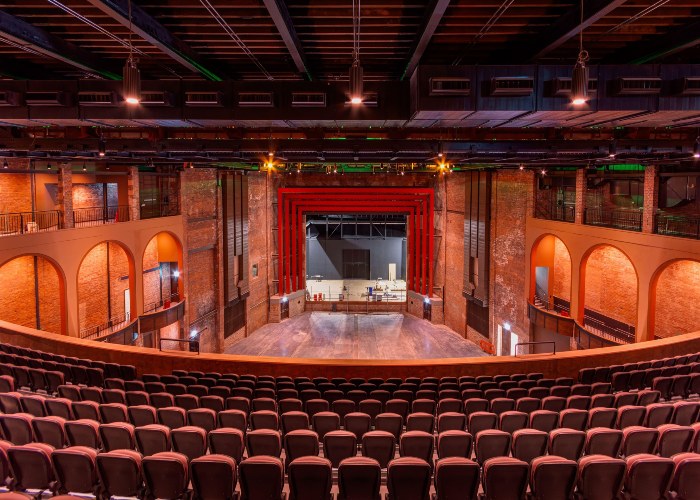
The United Kingdom is home to an extraordinary collection of historic buildings, ranging from nationally important landmarks such as the Houses of Parliament and Buckingham Palace to country houses, industrial warehouses and thousands of listed properties. These heritage assets represent an irreplaceable part of our built environment and require specialist consideration to preserve their architectural character, historical significance and structural integrity.
When undertaking repair, refurbishment or waterproofing works, solutions must be carefully selected to work in harmony with the existing structure. A sympathetic approach helps protect the historic fabric of the building, ensuring its long-term preservation while meeting modern performance requirements.
Listed buildings in England are categorised according to their historic and architectural importance. Grade I buildings are of exceptional interest, Grade II* buildings are particularly important buildings of more than special interest, and Grade II buildings are of special interest. Regardless of the grade, any works affecting the character of a listed building may require Listed Building Consent, making careful specification and design essential.
Specialist Waterproofing for Historic Buildings
Preserving and adapting historic buildings requires far more than conventional construction knowledge. It demands an understanding of traditional building techniques, historic materials and recognised conservation principles. When waterproofing measures are required, solutions must be designed and installed sympathetically, working in harmony with the existing structure rather than against it.
A well-designed waterproofing strategy should protect the historic fabric of the building while delivering effective moisture management, environmental control and long-term performance. The challenge is achieving modern standards of protection without compromising the building’s heritage value.
Heritage Waterproofing Expertise from Delta Membrane Systems
Delta Membrane Systems Limited has extensive experience in providing waterproofing solutions for heritage properties, listed buildings and architecturally significant structures throughout the United Kingdom.
Our dedicated Technical Team works closely with architects, conservation specialists, surveyors, structural engineers, contractors and local authority conservation officers to develop bespoke waterproofing strategies that comply with BS 8102:2022 – Protection of Below Ground Structures Against Water Ingress, whilst respecting the historic significance of the building.
Our Technical Team includes Certified Surveyors in Structural Waterproofing (CSSW) and members of the Structural Waterproofing Design Register (WDR), providing confidence that every project benefits from specialist waterproofing knowledge combined with an appreciation of heritage construction and conservation best practice.
Why Delta Systems are Specified in Heritage Buildings
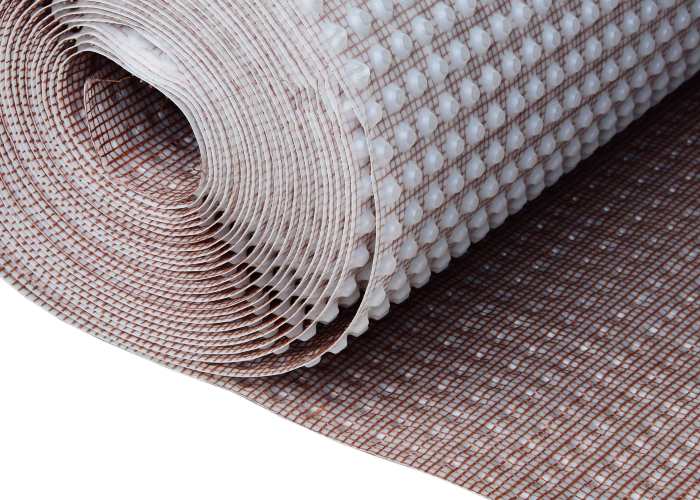
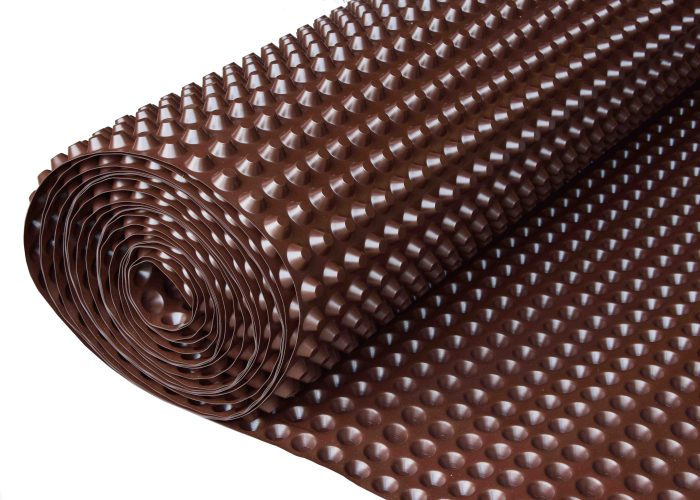
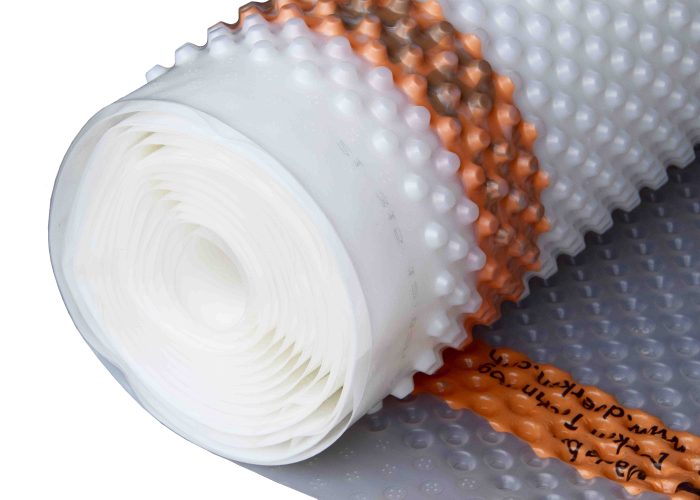
Delta cavity drain membrane systems have been successfully installed in numerous Grade I and Grade II listed buildings, heritage assets and conservation projects across the United Kingdom.
Waterproofing older and historic buildings presents a unique set of challenges. Unlike modern construction, heritage properties were built using traditional materials and techniques, with each structure having its own distinct characteristics. No two heritage buildings are identical, making it essential that waterproofing measures are tailored to the specific requirements of the property. A sympathetic approach ensures effective moisture management whilst protecting the building’s historic fabric, heritage value and long-term integrity.
Non-Destructive Installation
Historic buildings often contain original brickwork, stone, lime mortar and other traditional materials that can be damaged by aggressive waterproofing treatments.
Type C systems require minimal preparation and can typically be installed without hacking off historic surfaces or applying impermeable coatings directly to the fabric of the building. This helps preserve the original structure and avoids unnecessary loss of historic material.
Reversible Solution
One of the key principles of conservation is that interventions should be reversible wherever possible.
Delta cavity drain membrane systems can generally be removed in the future without causing permanent damage to the underlying structure. This is a significant advantage for listed buildings where future conservation works may be required.
Compatible with Traditional Construction
Many historic buildings were originally designed to accommodate moisture movement through permeable materials such as lime mortar, lime plaster and natural stone.
Type C systems work alongside this natural behaviour by creating a controlled air gap behind internal finishes rather than attempting to seal the structure. This reduces the risk of trapping moisture within the building fabric, which can lead to deterioration.
Effective Where External Waterproofing Is Impractical
Many heritage buildings cannot be excavated externally due to:
- Archaeological constraints
- Listed Building Consent considerations
- Proximity to neighbouring structures
- Historic paving, landscaping or architectural features
- Restricted access
In these circumstances, a Type C system can often be installed internally without disturbing the external appearance or construction of the building.
Tolerance to substrate Irregularities and Movement
Historic structures frequently exhibit uneven substrates, construction irregularities and a degree of movement.
As a drained protection system, Type C waterproofing is generally less reliant on achieving a completely sound and watertight substrate than Type A barrier systems. This can make it particularly suitable for older buildings where achieving a continuous waterproof barrier may be challenging.
Suitable Applications
Whilst Delta systems are not intended to replace traditional conservation techniques, they provide an effective solution where conventional methods may be unsuitable or unable to achieve the required level of performance.
Typical heritage applications include:
- Listed building basements and vaults
- Below-ground heritage structures
- Buildings affected by significant salt contamination
- Historic properties where external waterproofing is impractical or impossible
- Structures incorporating architectural features that prevent effective external remedial works
- Conservation and refurbishment projects requiring a reversible, minimally invasive waterproofing solution
- Heritage buildings being converted into habitable or commercial spaces
Why Heritage Professionals Choose Delta’s Sympathetic Cavity Drain Technology
Delta’s air-gap membrane system manages moisture without sealing, damaging or restricting the natural behaviour of historic building fabric. This makes it particularly suited to listed buildings, conservation projects and heritage refurbishments.
Reversible Installation
As a non-destructive waterproofing solution, Delta systems can be removed in the future without affecting the underlying structure, supporting established conservation principles and preserving the building’s historic integrity.
Designed to BS 8102:2022
All waterproofing designs are developed in accordance with the recommendations of BS 8102:2022, ensuring robust protection against water ingress whilst accommodating the unique requirements of historic and listed structures.
Protecting Historic Buildings for Future Generations
By combining modern waterproofing performance with a conservation-led approach, Delta Membrane Systems helps protect some of the UK’s most important historic buildings. Through sympathetic design, specialist technical expertise and reversible waterproofing solutions, we enable heritage assets to be preserved, adapted and enjoyed for generations to come.