ce
Fire Retardant Waterproofing

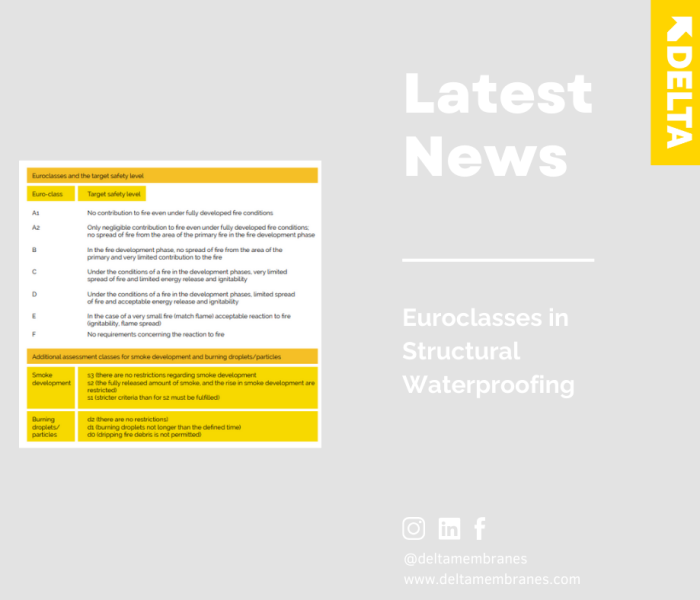
Fire retardants serve a crucial role in fire safety measures, fire retardant materials possess the unique characteristic to slow down or even halt the spread of fire. This key feature makes them an essential element in fire safety management.

Typically, the concepts of water management and fire safety are not concurrently considered due to their contrasting nature and effects.  Though it may initially appear far-fetched, upon closer inspection, it is not as irrational as it may first seem.

View more
Achieving Continuity – Cold Applied Liquid Waterproofing

Continuity of Waterproofing Protection from a design perspective is an important consideration, waterproofing designers are required to understand product combinations and the characteristics of systems from the outset.  Along with knowledge of product features and properties, designers are further faced with integrating these products into buildings and structures in a way that achieves a continuous and seamless waterproofing protection.

View more
Fire Retardant Type C Membranes

Kevin Dodds, from Delta Membrane Systems Limited, shares his thoughts on sector approaches to fire safety and the biggest challenges facing manufacturers at the forefront of innovation.

There are many different design challenges experienced when designing a suitable, maintainable, and capable waterproofing system, from a basement to podium deck. 

The design and layout of a building, in conjunction with the materials used and style of construction, play a key role in preventing the spread of fire and will allow the safe evacuation of occupants from a building in the event of a fire.

View more
What to expect in Structural Waterproofing 2022

Aside from COVID-19, 2021 has been particularly interesting in the world of structural waterproofing by way of the BS8102:2009 review.

BS8102:2009 “Code of practice for protection of below ground structures against water from the ground” and gives recommendations and provides guidance on methods of preventing and dealing with the entry of water from surrounding ground into a structure below ground level, whether this be completely under or partly underground.

I have been honoured to serve as a peer in the review committee.  Whilst the review is currently, still under revision, it’s launch is imminent, and I’ll look forward to sharing the updates with you once it’s published.

View more

Chat with a member of our team

Get in touch
Delta
Cookie Settings

This website uses cookies so that we can provide you with the best user experience possible. Cookie information is stored in your browser and performs functions such as recognising you when you return to our website and helping our team to understand which sections of the website you find most interesting and useful.